
Specialty Leasing – Coming of Age!
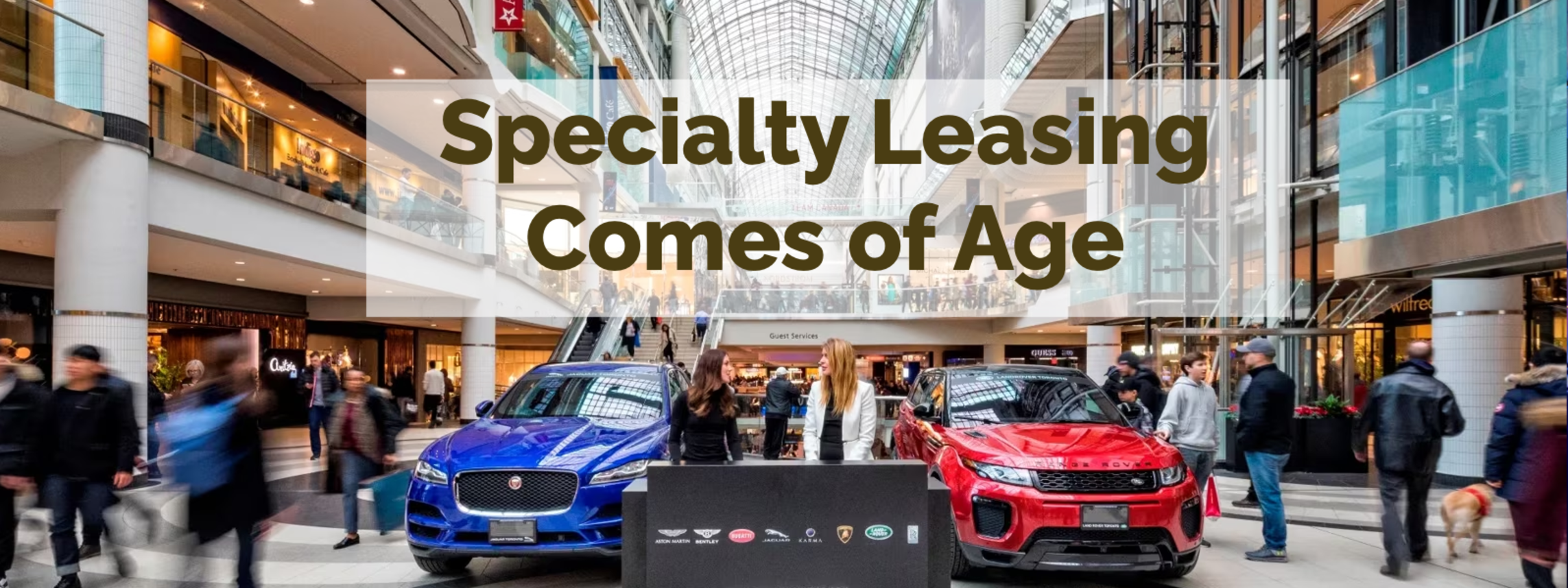
Specialty Leasing – Comes of Age!
Once an afterthought, ‘Specialty Leasing’ has become key part of the retail real estate mix. Our urbanOvation ‘Reality Check’ made clear, it’s no longer just about filling gaps. It’s a way to test markets, create experience, generate revenue and turn underused space into something smarter.
Three specialty leasing leaders kicked off the conversation;
· Dierk Schneider, Director Global Real Estate, Swarovski
· Mehdi Alaoui, CEO, Squarefeet
· Daniel Lorenzo, International Specialty Leasing and Marketing Director, Nhood
The session was expertly moderated by the co-chairs of urbanOvation’s Future of Retail Forum:
- Chris Igwe, President, Chris Igwe International
- Linda Johansen-James, CEO & Founder, International Retail Group
Following an thought provoking panel conversation, Chris and Linda invited participants; including landlords, retailers and advisors to join in. The following is a brief, anonymized (Reality Checks are ‘Chatham House rules’) summary of some insights and nuggets of wisdom from the session.
The Headlines
· Specialty leasing has evolved well beyond carts and kiosks to include brand activations, experiential formats, food events, automated retail and short-term store concepts across malls and other venues.
· For landlords, the role has expanded from plugging vacancy and recovering rent to driving footfall, increasing attractiveness and strengthening the commercial mix.
· For brands, short-term space has become a strategic testing ground: lower risk, faster to market and useful for launches, location trials and omnichannel sales support.
· Technology is emerging as both the missing link and the next frontier, to deal with the frustrations of manual processes, poor visibility of space availability and fragmented data.
· Success depends less on simply renting space and more on measuring outcomes such as traffic, dwell time, conversion, customer acquisition and halo effects on nearby stores or online channels.
Key Takeaways
Specialty leasing has grown up
The old model of dropping something into spare corridor space and hoping for the best is over. Today, specialty leasing is more deliberate: test, learn, create buzz, drive traffic, complement the tenant mix and maybe discover the next permanent occupier.
Experience is the product
The best examples are not about simple transactions. They are experiences: food events, immersive pop-ups, seasonal concepts and digitally enabled formats that give people a reason to show up.
Data is the weak spot
There was broad agreement that the industry still lacks clean, shared, real-time data. Brands want better transparency on available spaces. Landlords want better tools to measure performance. Everyone wants fewer spreadsheets, fewer emails and fewer blind guesses dressed up as strategy.
Consumer still matters most
One participant pushed back on the idea that power sits only with landlords, brands or platforms. Without customers, none of this works. The strongest operators will be the ones that match format, product and experience to who is actually shopping.
Automated retail is moving from sideshow to serious channel
Several contributors argued that automated retail is still underestimated by landlords who treat it as glorified vending. The case made was different: smart, branded, high-performing autonomous retail that can serve customers quickly, extend trading hours and activate underused space in new ways.
Open questions
· Who really holds the leverage in specialty leasing: landlords, brands, platforms or consumers?
· How quickly can metrics be standardized to align with digital marketing reporting?
· Can landlords become more transparent about availability without undermining traditional leasing structures?
· Will automated retail be treated as core retail infrastructure or stay as a sidelined novelty?
Conclusions
· Specialty leasing is being pulled upward in strategic importance by three forces at once: changing consumer expectations, the need for more flexible growth models and the arrival of better technology.
· The category now spans both commerce and communications. Some formats are there to sell. Some are there to signal. The better operators understand the difference and measure accordingly.
· Future success may require a hybrid of commercial judgment, brand thinking, data literacy, operational agility and an instinct for what actually makes a space worth visiting.
Suggested follow-ups
· Create a common KPI framework for specialty leasing that includes not just revenue and occupancy, but footfall, dwell time, conversion, customer acquisition and halo effects.
· Explore a shared marketplace or live inventory model for short-term space, with clearer visibility for brands and less friction in the leasing process.
· Run a follow-up session focused specifically on automated retail, non-traditional venues and the future skill set required to manage this category well.
◆ ◆ ◆
Notable Nuggets
· “Specialty leasing isn’t new. It’s been around since I started in the industry many years ago. It’s just got different names, it’s morphed and evolved.” – senior industry veteran
· “It used to be carts and kiosks… and today it’s really becoming a really a strategic retail strategy. From malls and High Streets to airports and parking lots.” – retail leasing expert
· “The priority now isn't just revenues — it’s creating more attractiveness, more footfall and also complement the commercial mix that we have in the shopping mall.” – retail landlord
· “Specialty leasing helped us break our footfall record with more than 300,000 visitors in 10 days.” – shopping centre owner
· “For us, speciality leasing is no longer simply an opportunistic tactic… Today it’s more strategic, I would say low risk, but a high impact platform.” – global retailer
· “We use these spaces as a low-risk laboratory… to test new markets and n no he doesn't know yetew locations, but also to drive omnichannel performance.” – retail tenant
· “Shoppers are more important than landlords or retailers. Because without customers shopping, there is no question about power.” – technology provider
· “Show me the money! We can’t just ignore younger generations… you can’t count on grandma all the time.” – industry analyst
· “There is still a view on automated retail as being vending and pushed more to the side… but today… that’s seen as a primary service to consumers.” – retail systems vendor