
Born Again
Dying Malls in US Born Again as Housing
Across the United States, shopping malls are struggling with store closures and vacant spaces. This trend has led to a decline in the number of malls in the country, with nearly 34 million square feet of US mall space vacant and off the market as of early 2022. At the same time, the US is grappling with a significant housing deficit, needing an estimated 4.5 million homes. Developers are now looking at these struggling malls as potential sites for new housing developments, capitalizing on the existing infrastructure and available land.
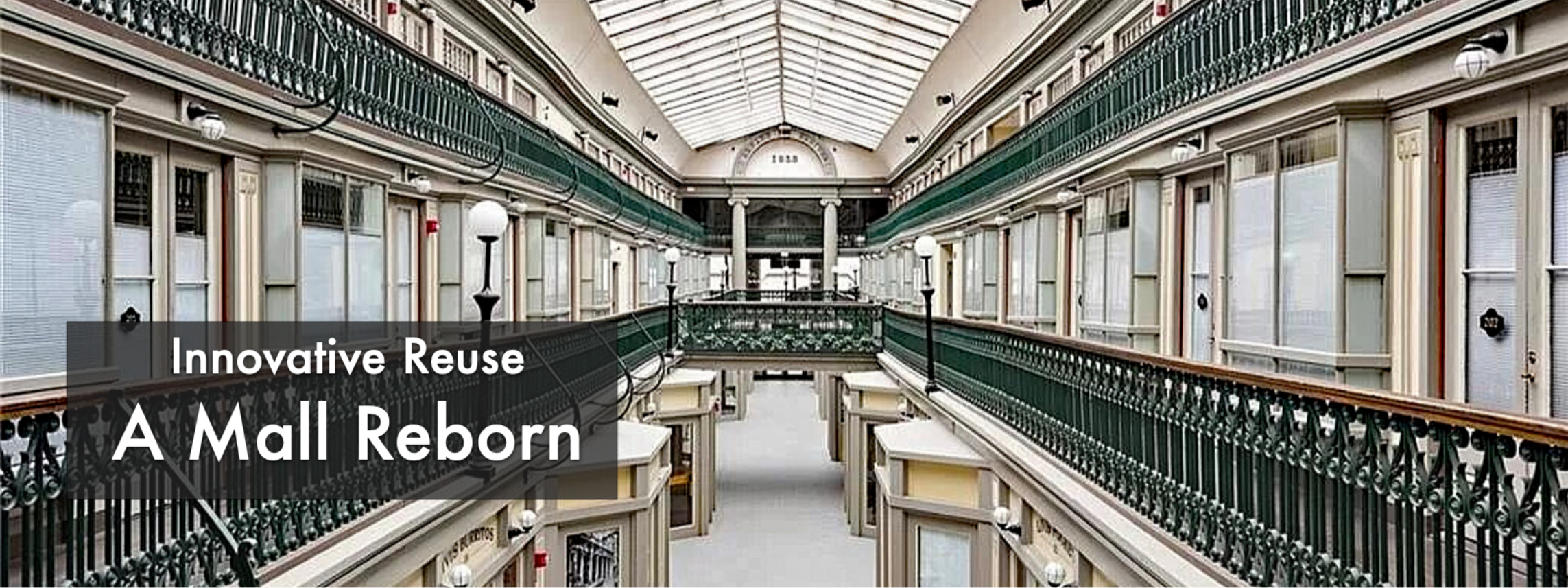
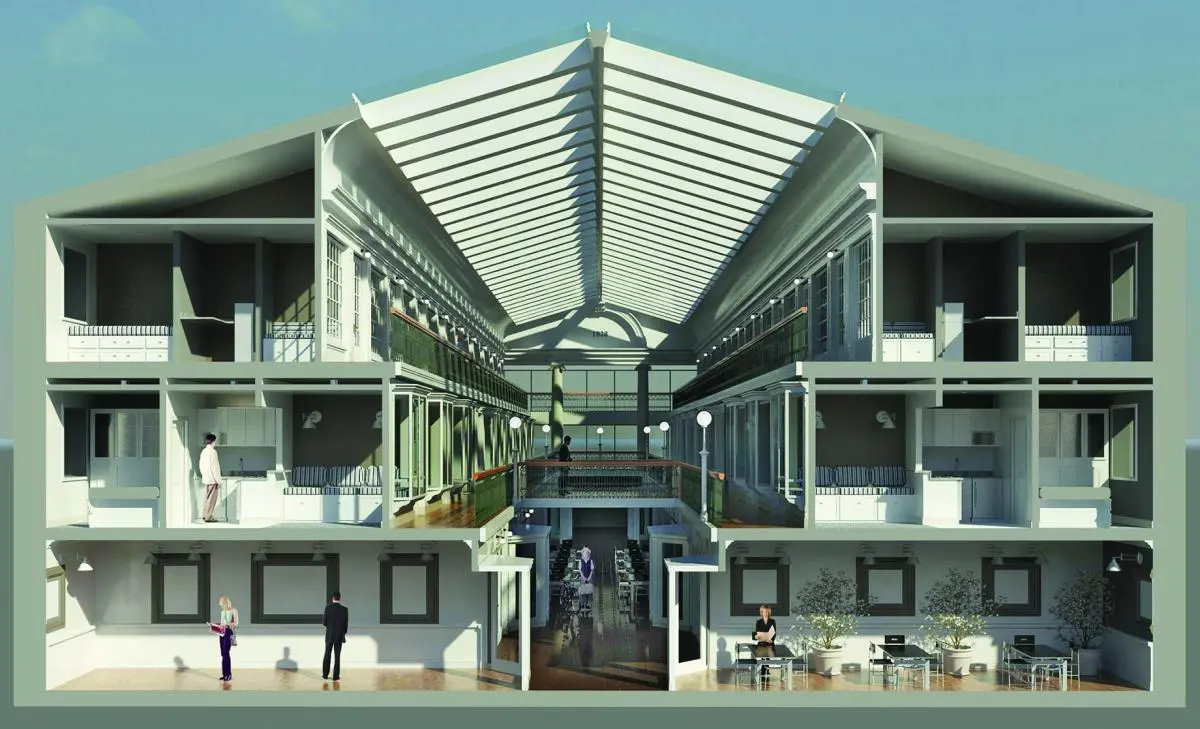
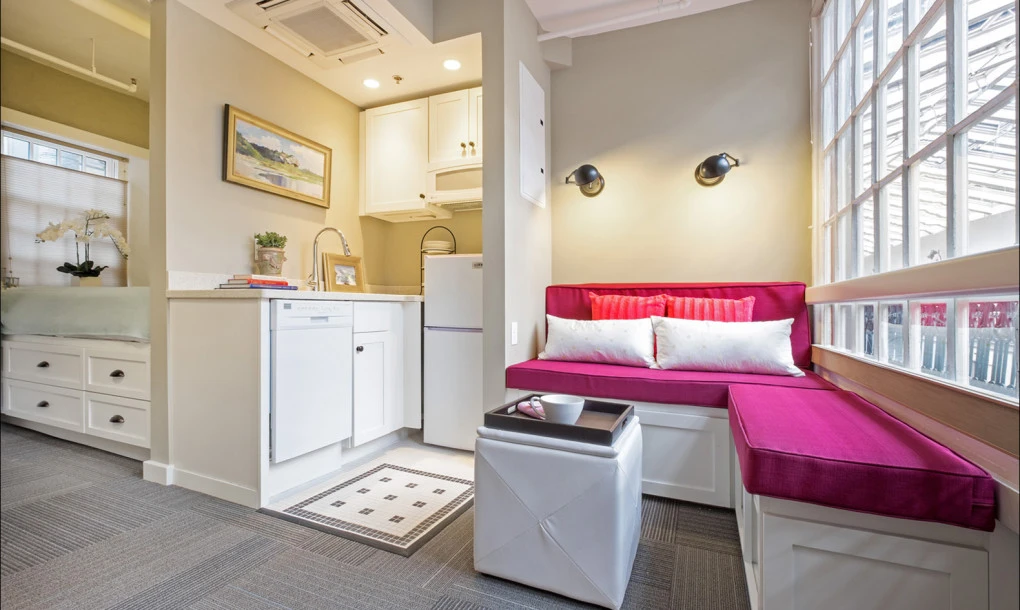
One example of this transformation is the Arcade Mall in Providence, Rhode Island, the oldest indoor shopping mall in the country. After facing a period of decline, developers converted the upper floors of the mall into 48 micro-lofts. This adaptive reuse project provides residents with unique benefits, such as easy access to shops, restaurants, and services within the mall. However, living in a converted mall also presents challenges, including limited kitchen facilities due to fire codes and occasional privacy concerns.
The concept of mall-based housing is gaining traction, with at least 192 US malls planning to incorporate housing components as of January 2022. This shift towards mixed-use is driven by several factors:
- Housing Demand: The increasing need for housing in many US markets makes malls attractive sites for residential development.
- Revitalization: Converting vacant mall spaces into housing can revitalize struggling properties and bring in a new customer base for existing businesses.
- Amenity-Rich Environments: Residents of mall-based housing benefit from the convenience of having shops, restaurants, and entertainment venues within walking distance.
Challenges and Considerations:
Despite the potential benefits, converting malls into housing also presents challenges:
- Zoning Laws: Malls are typically zoned for commercial use, requiring developers to obtain approval for residential conversions.
- Design Constraints: Limited windows in many malls can pose challenges for creating well-lit residential spaces.
- Conversion Costs: Transforming commercial spaces into apartments can be expensive, particularly when dealing with existing infrastructure.
Looking Ahead:
Despite these hurdles, the trend of converting malls into housing hubs is likely to continue. As department stores continue to shrink and online shopping grows, malls need to adapt to survive. Transforming underutilized mall spaces into vibrant mixed-use developments that include housing could offer a solution to both the challenges facing the retail industry and the growing need for housing in the US.
This project was profiled in a recent YouTube video by CNBC. Click Here to watch the video