
The Art of Crafting Memorable Retail Experiences
By Bill Kistler and Michel Zalac
Retail has undergone a dramatic transformation in recent years, shifting focus from selling goods and services to delivering unique experiences. Companies are now hiring experience experts such as 'Chief Experience Officers' ato create memorable experiences that drive revenue and engage customers in a personal way Joe Pine, one of the world's leading authorities on the experience economy, was our guest speaker for the 4th session in urbanOvation's Future of Retail, Place and Community series. Joe shared insights about The Role of Retail in an Experience Economy and the role of retailers as 'placemakers'; in a lively discussion with urbanOvation members. Below are some key takeaways from this discussion.
We will continue taling about the Future of Retail, Place and Community. Sign-up to urbanOvation and register for our next conversion about Artificial Intelligence: Retail Employees of the Future? on 21 February 2023 from 17:00 - 18:30 CET.
Retail in the Experience Economy
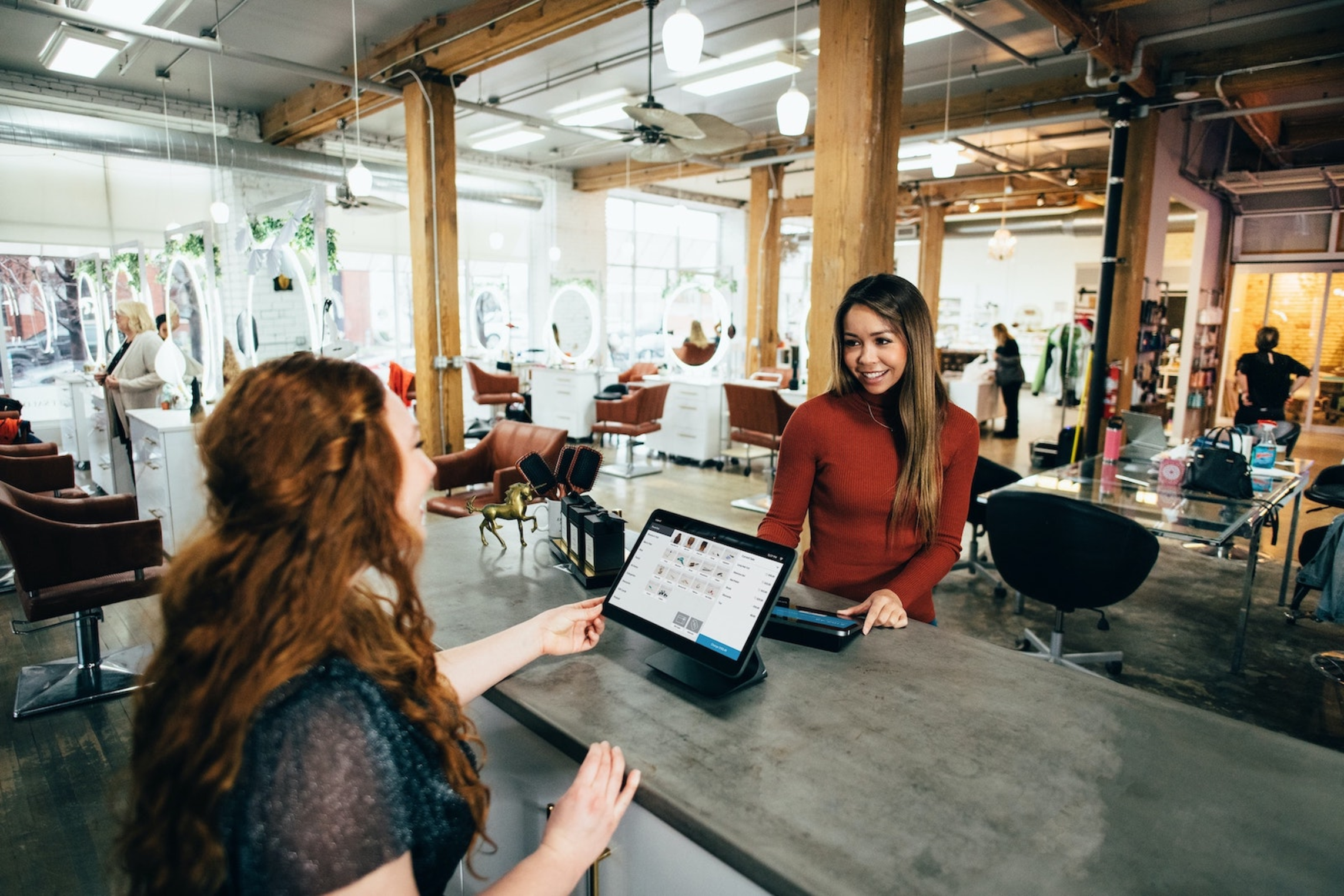
Retailers play a crucial role in the experience economy, delivering unique experiences to customers that engage them on an emotional level. Retailers need to focus on designing the time customers spend in their physical stores, rather than just the store itself. Joe Pine believes that experiences are built on top of services, and the interactions between customers and sales staff are central in delivering a memorable and enjoyable experience. To compete in the fast-paced world of retail, retailers need to focus on creating places that drive the bottom line and deliver great service hith a deep (human) connection.
The Experience Economy
In his book 'The Experience Economy' Joe argues that the world has moved beyond the agrarian, industrial, and service economies, to an economy focused on delivering personal and memorable experiences, engaging customers on an emotional level. He suggests that retailers should aim to create a dramatic structure for customers, from enticement to exit, using a '5E-model'for experience design used to analyse and improve customer experience. The 5 Es stand for the following five stages of the customer journey:
Engage: Attracting the customer's attention and building interest.
Explore: Providing the customer with information about the product or service and helping them understand the benefits.
Experience: Providing the customer with a hands-on interaction with the product or service.
Evaluate: Helping the customer make a decision about whether to purchase the product or service.
Extend: Building ongoing relationships with the customer, providing them with support and opportunities for repeat business.
By analysing each stage of the customer journey in this way, organisations can identify areas for improvement and develop strategies to enhance the overall customer experience.
Transforming Retail Spaces into Experience-Driven Retail Places
To create a memorable experience for customers, retailers need to give them a reason to visit their store beyond just buying merchandise. Providing an experience that makes the time spent in store enjoyable and memorable is essential. Eataly is a great example of a retail format that combines all things Italian cooking into one engaging space. With a café, restaurants, a cooking school, and rows of Italian groceries, kitchenware, and small appliances, consumers often spend hours there and post photos to their social media feeds. Other retailers, such as Restoration Hardware, incorporate cafés to engage the senses and encourage consumers to linger, while cosmetics retailers like Lush and SABON focus on getting consumers to experience their goods in-store. P.G.C. Hajenius Exclusive Cigars in Amsterdam is one of Pine's favourite stores. It's a great place, twice a week they have a cigar smoking class for which they charge a fee! Another great example is the company 'Immersive Everywhere'. They work with world-famous titles to create live theatrical experiences. They produce and manage one of the world’s most successful immersive productions: 'The Great Gatsby', which has played in London since 2015.
Charging for Time Well Spent
Just going 'online' will not save physical retail stores, they need to provide a reason for consumers to visit that online retailers can't match. The best way to do this is to compete on the basis of time well spent - offering an experience so engaging that customers can't help but spend time with you. The more time they spend, the more money they will spend. Pine suggests that charging for time is key to being in the experience business and companies should align their pricing with what customers value. It's called the 'Money Value of Time' (MVT); the expenditure per minute that people are paying and its importance to businesses in creating experiences. MVT measures the value customers place on their time spent with a company and is reflected in the money they are willing to pay for it. By aligning the value customers receive with the price they pay, companies can deliver infinite return on investment and build better connections with customers. Experience staging offers a more direct and profitable way to create demand compared to traditional advertising and marketing campaigns. The money customers spend on experiences is the most explicit way to measure the value of their time. The success of a company's experiences can be directly measured by increased revenue. How much would you like to spend, per minute, on an average cinema experience including admission fees, F&B and memorabilia and other costs?
The Significance of Customer Interactions
Interactions between customers and sales staff play a pivotal role in elevating a routine experience into a memorable one. Both Pine and call participants concurred that the quality of interactions contributes significantly to the overall customer experience. While some retailers are incorporating elements of hospitality into their business model, the challenge lies in attracting and retaining the right personnel. To remain competitive, these retailers recognise that delivering exceptional service and fostering a positive environment for both customers and employees are just as important as creating an aesthetically appealing atmosphere. Simply put, creating a thriving business requires more than just a visually appealing establishment - it requires a combination of great service, talented management, and a commitment to customer satisfaction.
Digital Transformation
With a growing number of retail casualties and e-commerce accounting for a growing share of the retail market, it's becoming increasingly clear that physical retailers need to provide a compelling reason for consumers to visit their stores. Digital transformation is forcing companies to change their business models and adapt to the new market reality. What's interesting about this is that it's not the companies that are driving this change. Instead, this change is being driven by the customer. In order to attract customers to physical stores, retailers must offer a unique advantage that online retailers can't replicate. This can be achieved by creating an immersive and unforgettable experience, making consumers feel that their time is well-spent. In fact, retailers that excel at this strategy may even be able to monetise the value of this time well-spent. To gain further insights on this subject, please check out Joe Pine's latest piece in the Harvard Business Review.
Let us know your favourite businesses that are known for their exceptional customer interactions, from different regions around the world. We look forward to continuing discussing these key learnings together with you on urbanOvation and at our roundtables and Forums, such as our next upcoming conversion about Artificial Intelligence: Retail Employees of the Future? on 21 February 2023 from 17:00 - 18:30 CET.