
Oxford Street’s struggles and the future of retail
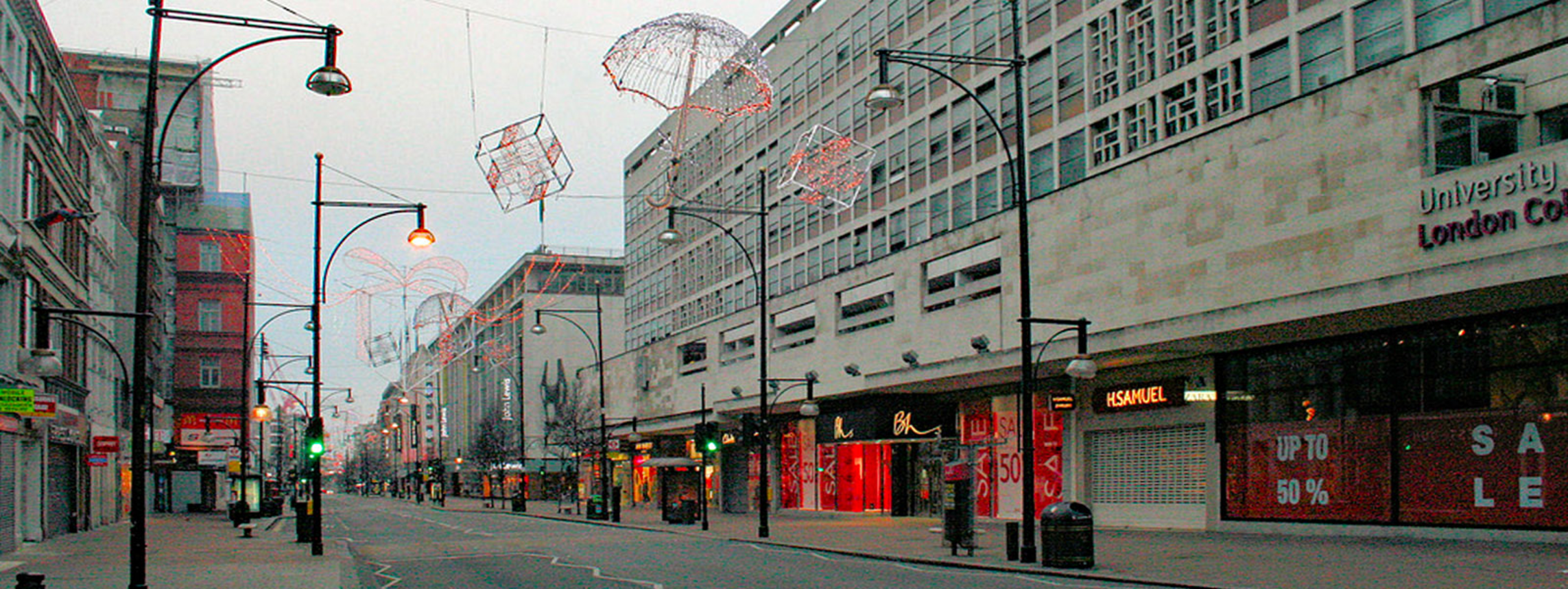
Oxford Street, once Europe's bustling retail hotspot with flagship stores like Nike and M&S, is facing challenges. Many shops have closed, resulting in empty storefronts and a decline in foot traffic. The departure of major brands has led to a rise in lower-tier retailers and less desirable stores. Currently, almost 16% of Oxford Street's 269 stores are vacant, a higher rate than both London's average (13%) and the UK's (14%).
Several factors contribute to Oxford Street's struggles. These include disruptions from Crossrail construction, reduced central London footfall, decreased tourist numbers due to delayed Asian country reopenings post-Covid, and the UK's abolishment of VAT-free shopping for tourists. The shift to online shopping during the pandemic and the insolvencies of high-street brands like Topshop and Debenhams have also impacted the street.
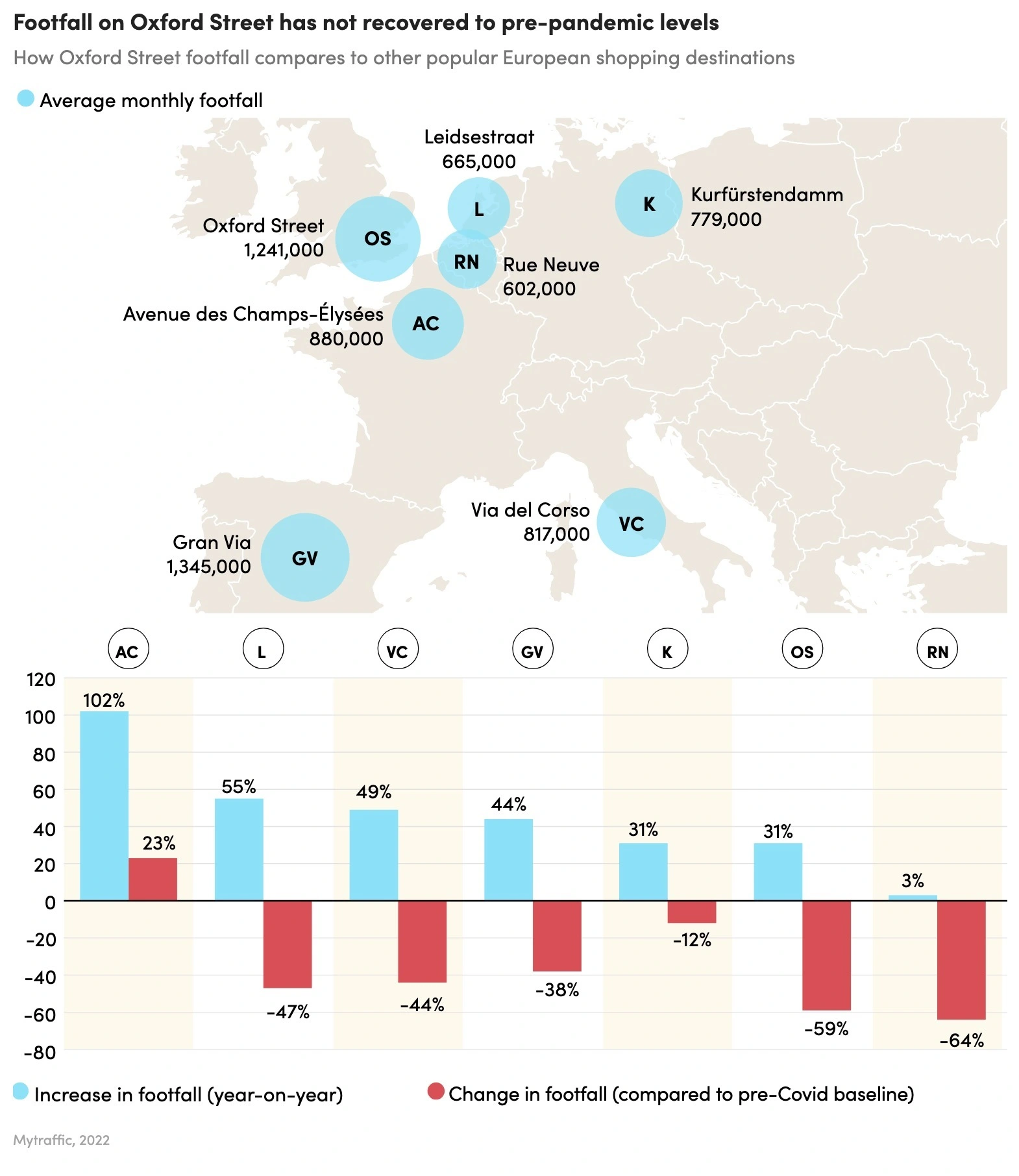
However, experts note that the broader British high street is not necessarily in irreversible decline. The number of store closures in the UK has decreased, and some major brands are rebounding post-pandemic. Despite challenges, the high street is undergoing a transition, with a blend of online and in-store shopping. Consumer demand for the in-store experience remains, but some retailers are moving to out-of-town retail parks to capitalize on space and lower costs.
Oxford Street is undergoing a transformation, with new businesses like Ikea, The Fragrance Shop, and HMV returning. Business rate changes and new leisure outlets are also contributing positively. While national high-street footfall has declined, retailers are focusing on enhancing profitability per visit. If this challenge is met, Oxford Street and other high streets can have a promising future.
Visit Raconteur for the full article